The SiC Journal
Filter independent scientific briefs, buyer frameworks, and comparative laboratory studies across our 51-article archive.
Filter independent scientific briefs, buyer frameworks, and comparative laboratory studies across our 51-article archive.
Archive publications: 51 of 51
Comparisons
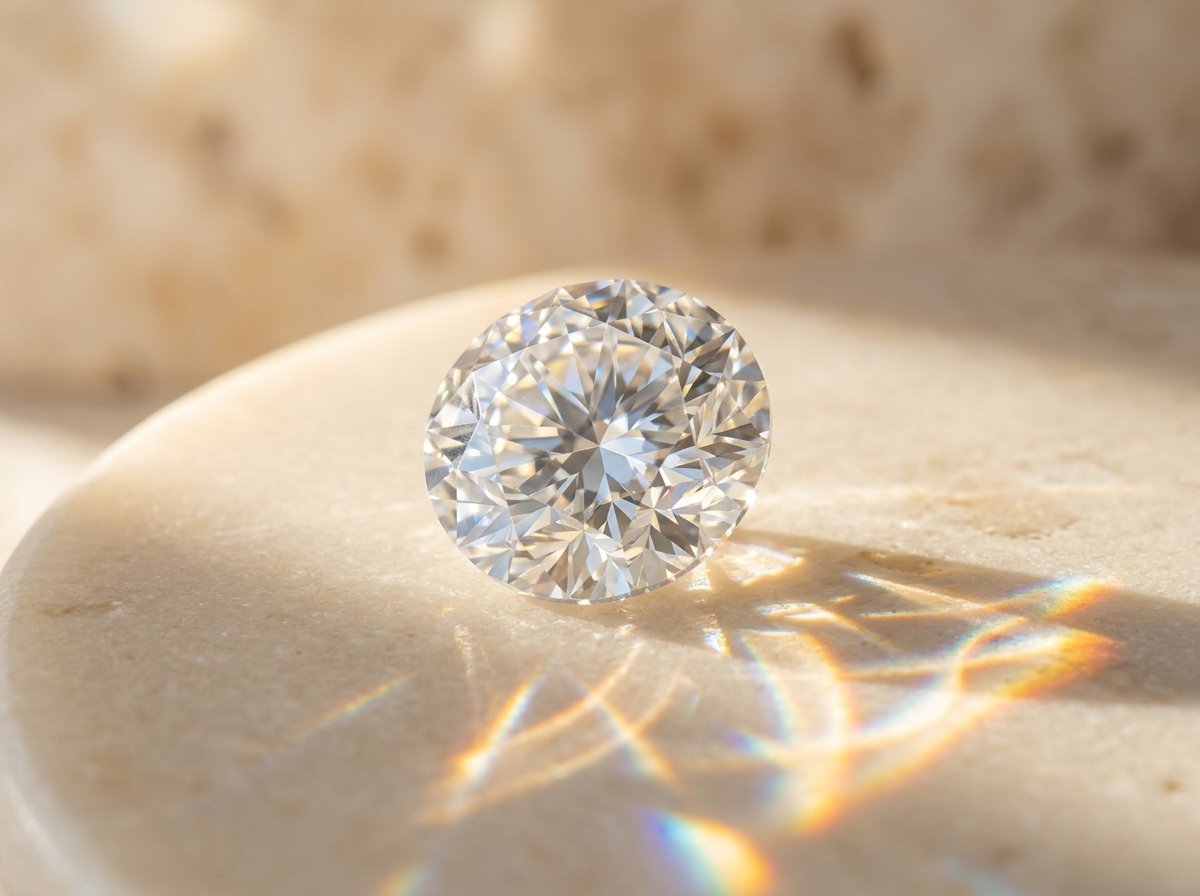
Complete bench breakdown comparing brilliance, 2.4x spectral fire, specific gravity, hardness, and thermal vs. dual electronic tester behavior.
Read Study →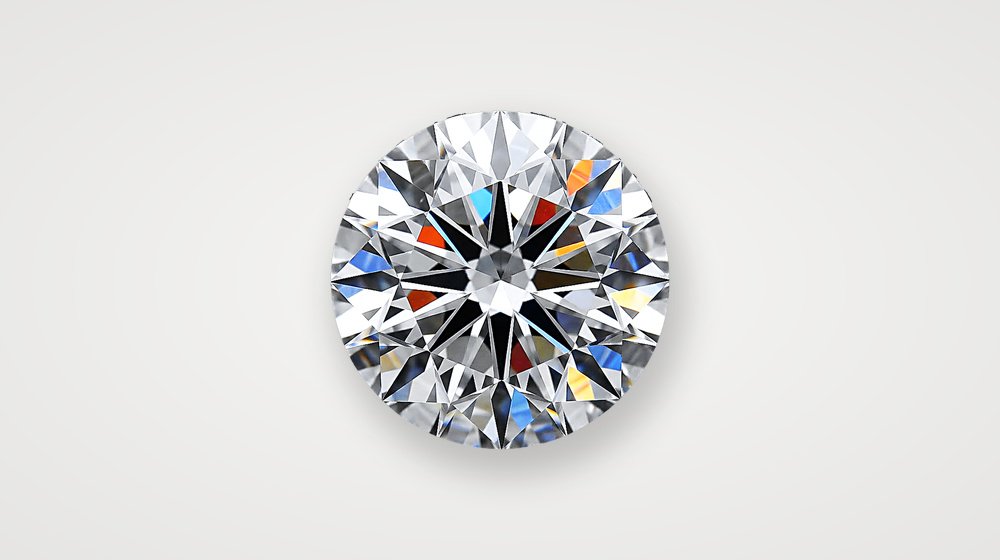 Science & Optics
Explore the 4H-SiC hexagonal lattice, 3.26 eV bandgap, and ABCB stacking that set Color D moissanite apart from diamond and 6H silicon carbide.
Read Study → Science & Optics
Why single-mode thermal testers read 4H-SiC moissanite as diamond, and how dual thermal-electrical conductivity probes detect its 3.26 eV semiconductor signature.
Read Study →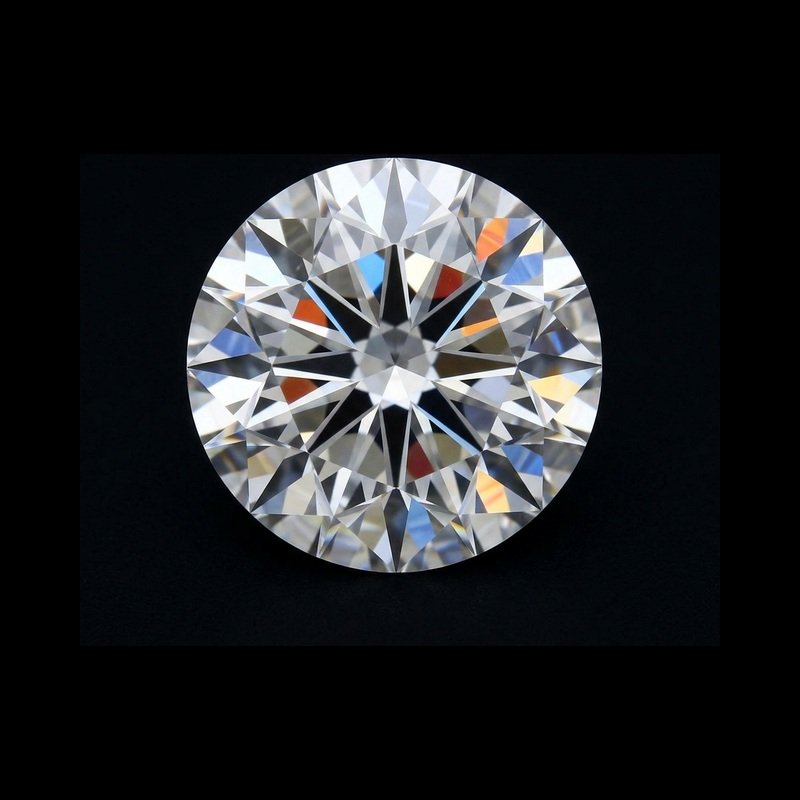 Science & Optics
Discover why 4H-SiC moissanite's 2.65–2.69 refractive index and ~21.9° critical angle deliver stronger surface luster and brilliance than diamond's 2.42 RI.
Read Study →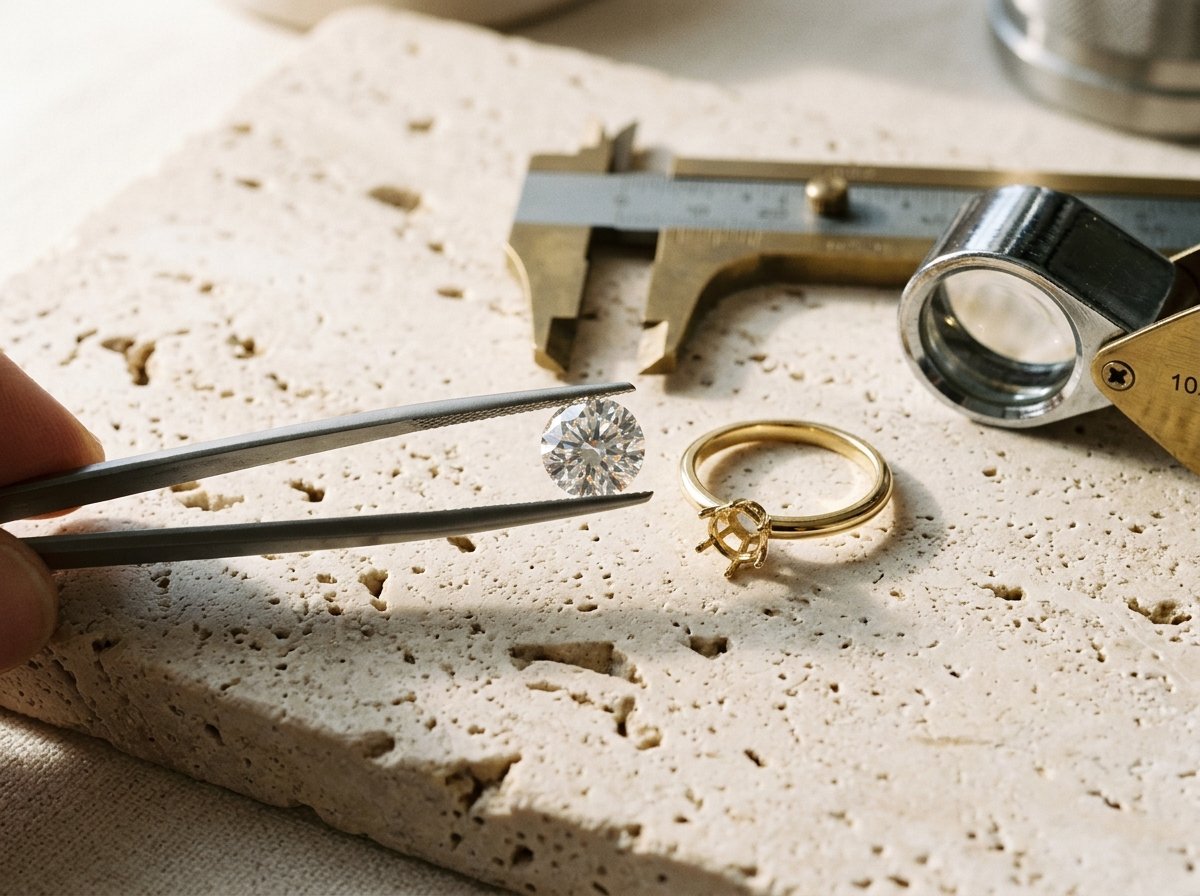 Science & Optics
Learn how uniaxial +0.043 birefringence in hexagonal 4H-SiC creates crisp pavilion facet doubling under a 10x loupe—an unmistakable clue separating it from diamond.
Read Study →
Science & Optics
Analyze 0.104 chromatic dispersion in Color D 4H-SiC moissanite: why spectral fire more than doubles diamond's 0.044 and how cut geometry balances brilliance.
Read Study → Science & Optics
Inside modified Physical Vapor Transport (PVT) furnaces: how 2,200 °C silicon carbide sublimation grows flawless 4H-SiC boules for ethical Color D VVS1 gemstones.
Read Study →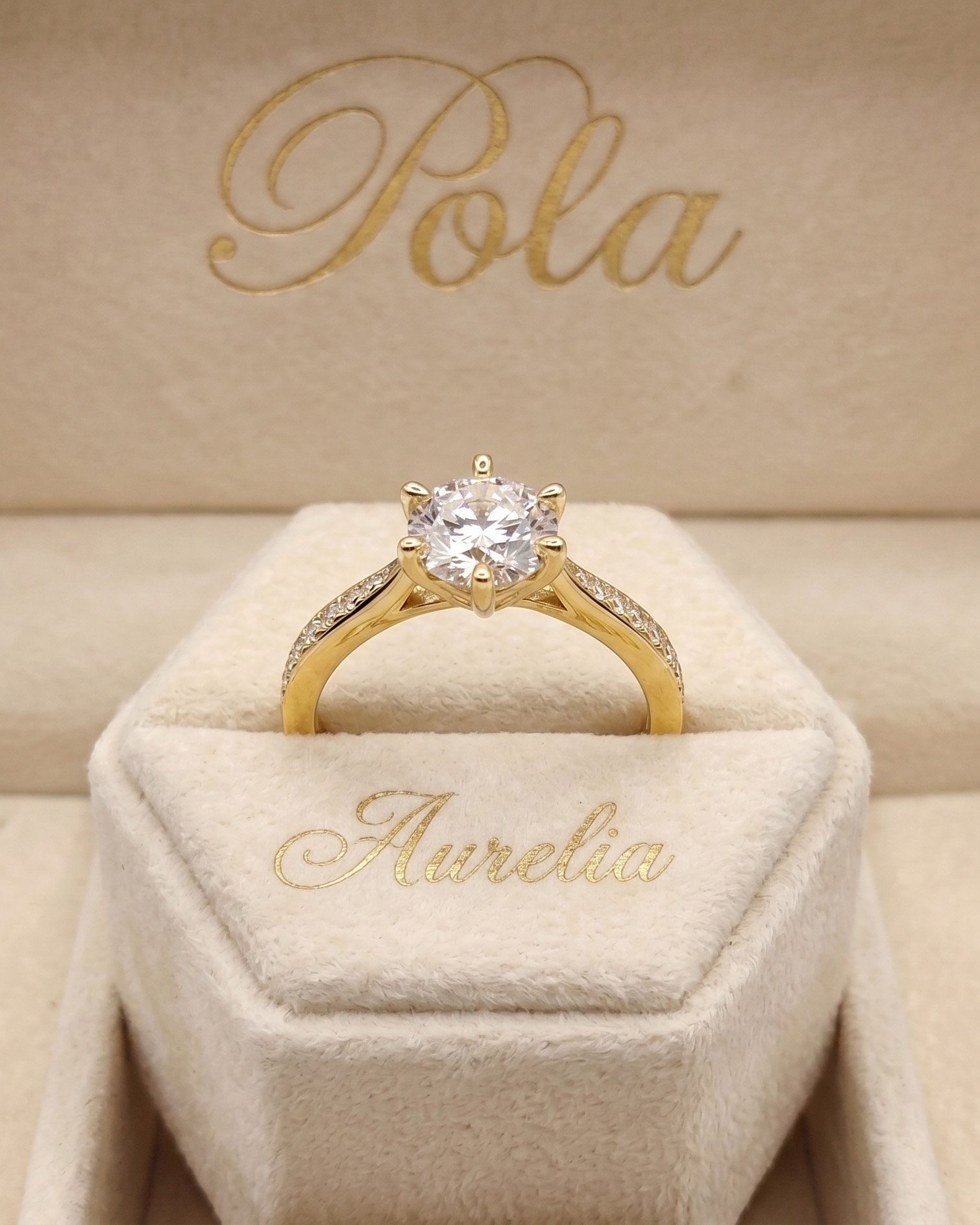 Science & Optics
Examine 4H-SiC moissanite's 9.25 Mohs scratch hardness, ~2,900 Knoop rating, and zero cleavage planes that protect rings from quartz grit and chipping over decades.
Read Study →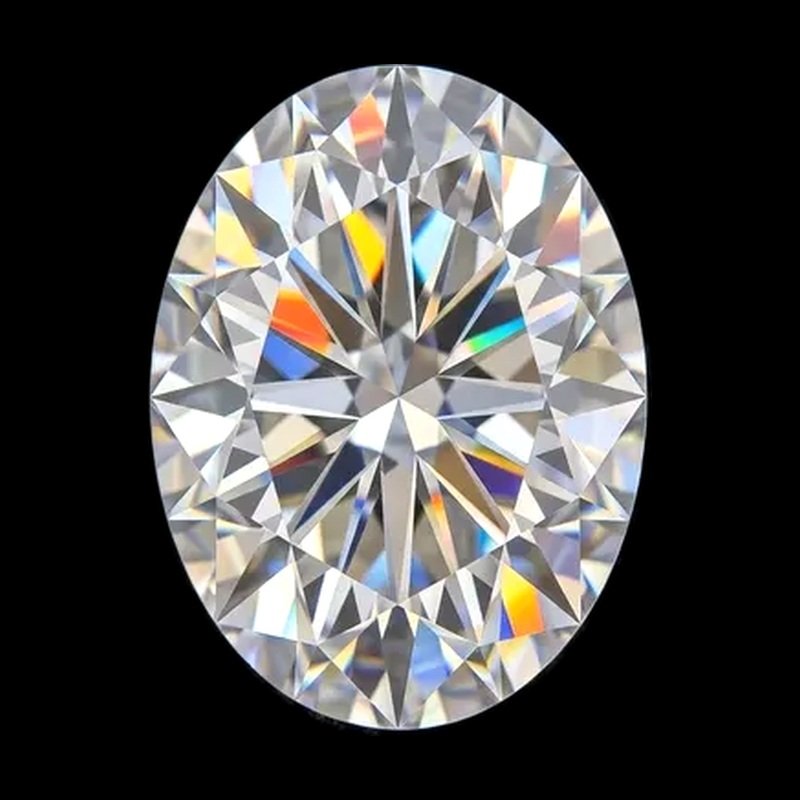 Science & Optics
Understand why 3.22 g/cm³ silicon carbide weighs ~9% less than diamond per volume, how millimeter DEW sizing works, and indicative $23–$92 Color D loose benchmarks.
Read Study →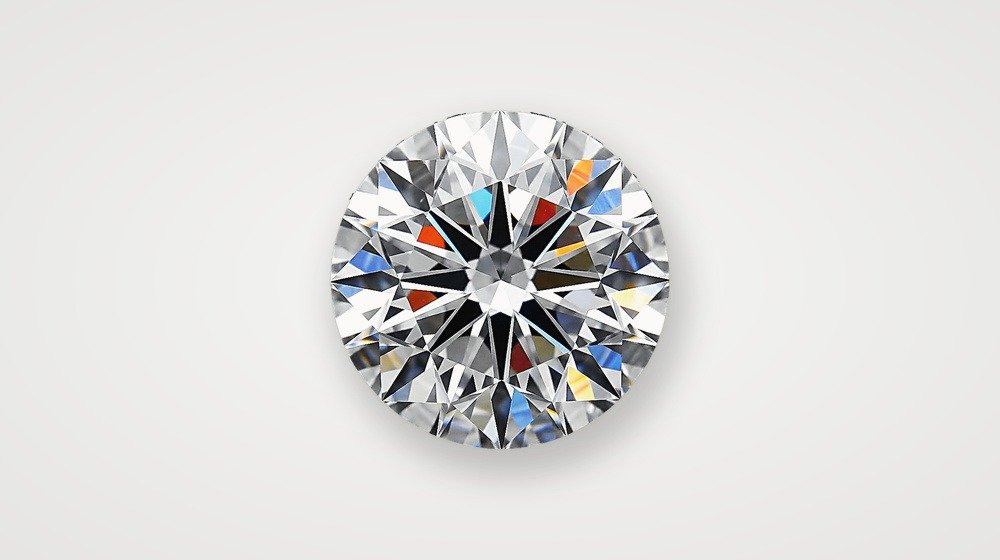 Science & Optics
Explore 4H-SiC UV fluorescence at 365 nm and 254 nm, thermochromic cooling reversibility, and safe jeweler torch tolerances for mounted settings.
Read Study →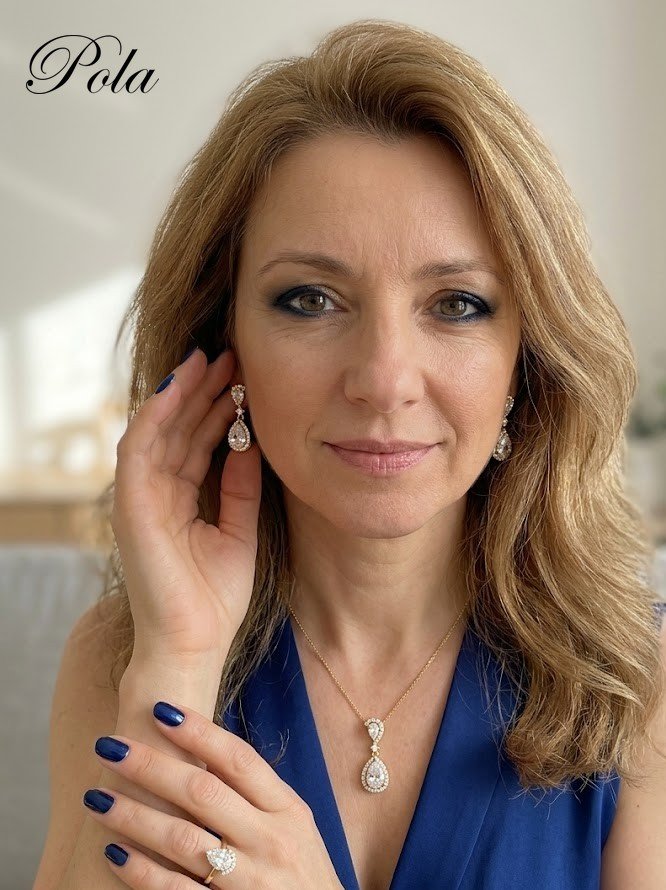 Science & Optics
Trace Henri Moissan's 1893 Canyon Diablo meteorite discovery through presolar stardust grains to modern 4H-SiC laboratory synthesis and FTC-compliant fine jewelry.
Read Study →
Comparisons
Compare Color D 4H-SiC moissanite against CVD and HPHT lab diamonds: RI 2.65 vs 2.42, dispersion 0.104 vs 0.044, strain graining, dual testers, and USD benchmarks.
Read Study →
Comparisons
Why cubic zirconia clouds while 4H-SiC moissanite stays crystal clear: Mohs 8.0 vs 9.25, RI 2.15 vs 2.65, surface porosity, density, and torch resilience.
Read Study →
Comparisons
Compare Color D 4H-SiC moissanite against white sapphire (corundum): RI 2.65 vs 1.77, dispersion 0.104 vs 0.018, critical angle windowing, and daily oil dulling.
Read Study →
Comparisons
Why morganite and aquamarine dull quickly in daily rings while 4H-SiC moissanite endures: Mohs 7.5 vs 9.25, RI 1.58 vs 2.65, cleavage, and 100-facet SiC.
Read Study →
Comparisons
Understand why FTC Jewelry Guides (16 CFR Part 23) classify moissanite as its own laboratory-grown gemstone species rather than a mere diamond simulant like CZ.
Read Study →
Comparisons
Why moissanite only shows 'disco ball' fire under harsh point-source LEDs, how D65 daylight tames 0.104 dispersion, and why Emerald cuts soften rainbow flash.
Read Study →
Comparisons
Learn what causes the rainbow 'oil slick' stain on moissanite, why thin-film interference builds on high-RI crowns, and safe polishing cloth removal steps.
Read Study →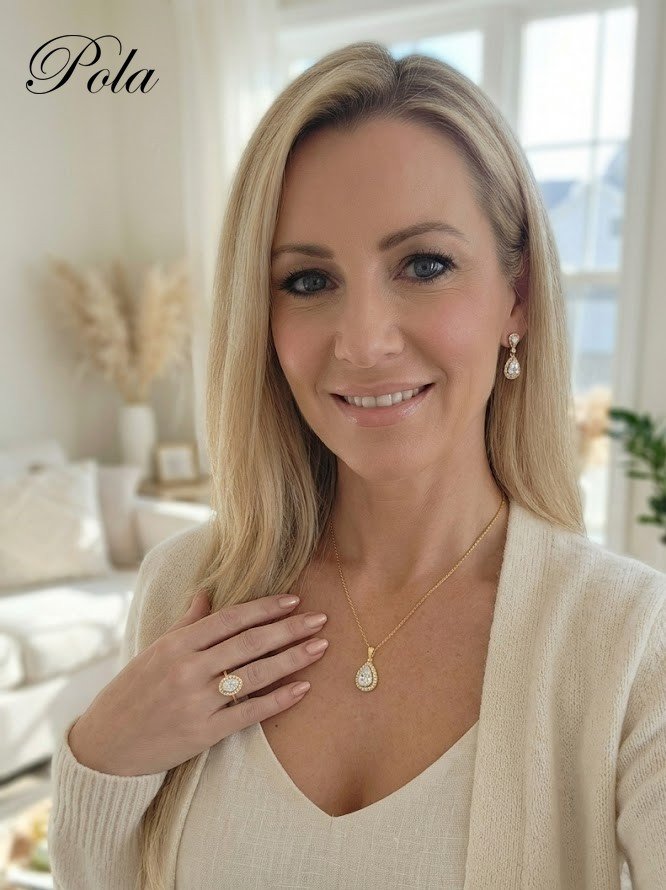 Comparisons
Explore how moissanite evolved from 1998 Forever Classic 6H-SiC (J–K green tint) to modern 3.26 eV 4H-SiC Color D / VVS1 crystals free of yellow undertones.
Read Study →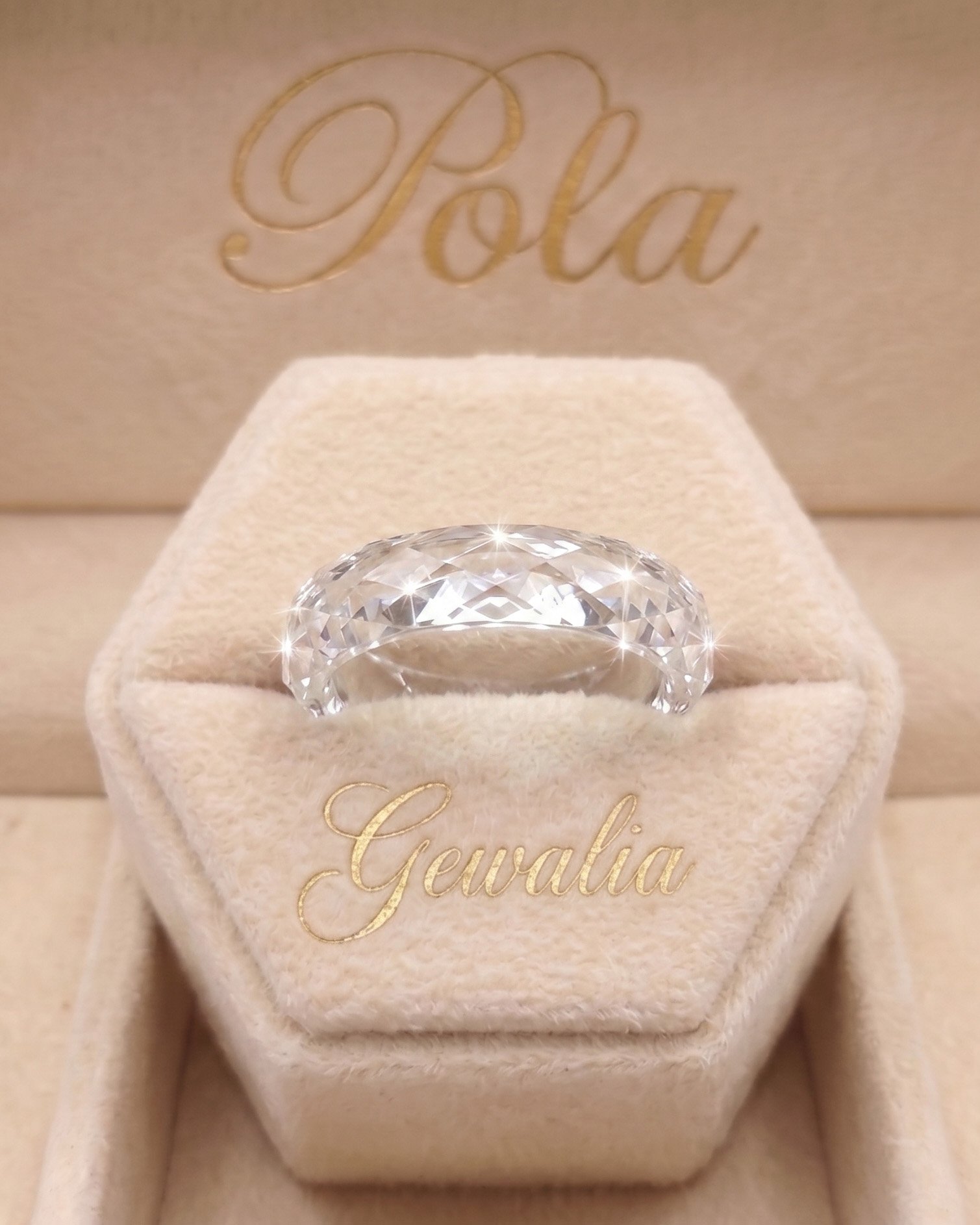 Comparisons
Full USD cost comparison from 0.5 to 4.5 ct Color D / VVS1: moissanite ~$23–$92 loose vs $355–$7,431 lab diamond and $1,910–$131,472 natural mined diamond.
Read Study →
Comparisons
Compare the environmental, water, and ethical provenance footprint of PVT lab-grown 4H-SiC moissanite versus open-pit mined diamonds and CVD/HPHT lab diamonds.
Read Study → Cuts & Proportions
Learn what DEW (Diamond Equivalent Weight) means in moissanite, why 4H-SiC weighs ~10% less than diamond, and convert carats using our complete mm chart.
Read Study →
Cuts & Proportions
Explore Hearts and Arrows Round Brilliant moissanite: 58-facet optical symmetry, SiC-tuned pavilion angles, 0.104 fire control, and 6.5 mm DEW scaling.
Read Study →
Cuts & Proportions
Master Oval Cut moissanite sizing: compare 1.30 to 1.45 length-to-width ratios, spot bow-tie shadows, and choose brilliant vs. crushed-ice facets cleanly.
Read Study →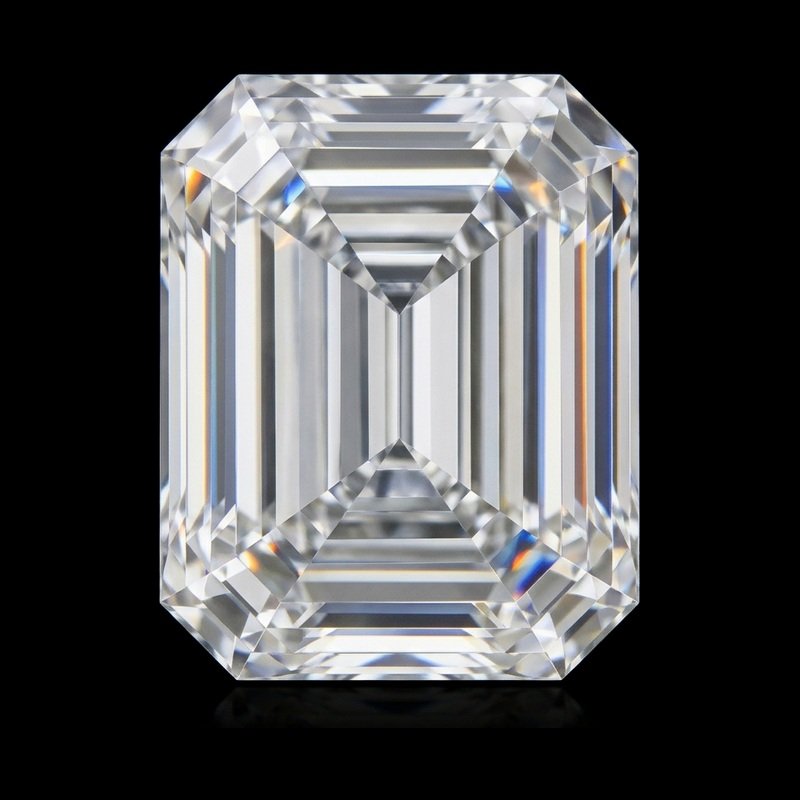 Cuts & Proportions
Discover why Emerald step-cut moissanite delivers architectural hall-of-mirrors brilliance and demands strict Color D whiteness and VVS1 internal clarity.
Read Study →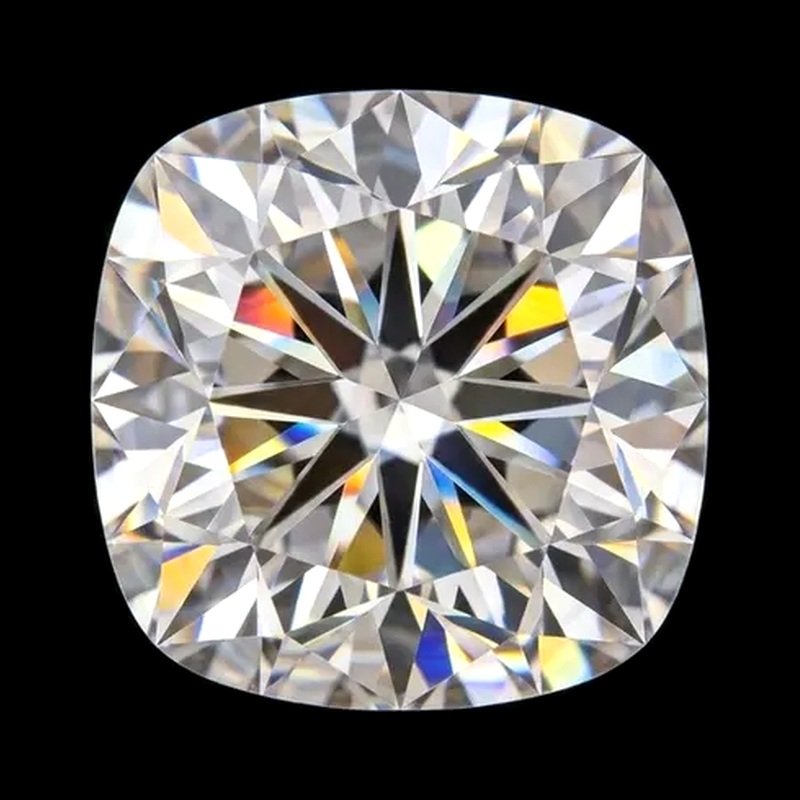 Cuts & Proportions
Compare Cushion Cut moissanite faceting styles: chunky Old Mine antique brilliance, modern brilliant cushions, and why crushed ice turns hazy in 4H-SiC.
Read Study → Cuts & Proportions
Select balanced Pear-shaped moissanite proportions (1.45-1.65 L:W), control bow-tie shadows, and protect the teardrop point with custom V-prong mounts.
Read Study →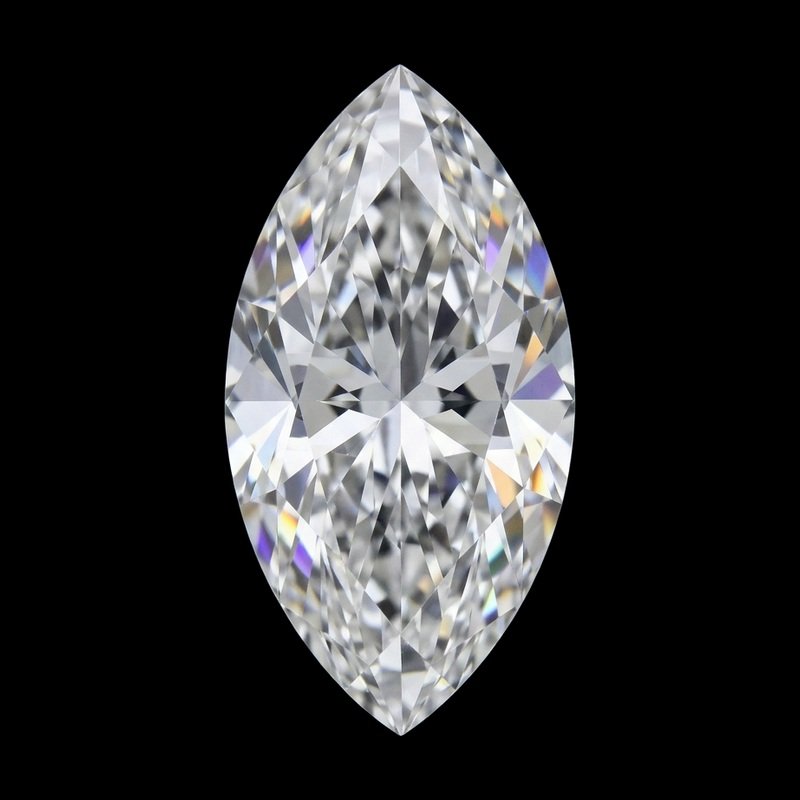 Cuts & Proportions
Maximize finger-lengthening spread with Marquise moissanite: ideal 1.75-2.10 L:W ratios, French-tip optics, bow-tie reduction, and twin V-prong security.
Read Study → Cuts & Proportions
Discover signature round Royal Moissanite Cuts—Emperor, Firework, Sakura blossom, and 100-Facet precision optics—engineered for Color D 4H-SiC fire.
Read Study → Cuts & Proportions
Discover 100-facet colored moissanites in Canary, Blue, Green, Rose, and Champagne: 42 extra micro-facets, 9.25 Mohs toughness, and lattice color science.
Read Study →
Cuts & Proportions
Decode moissanite table percentages, crown angles, and 21.8-degree critical angles to avoid windowing, fish-eye rings, and dark nail-head light leakage.
Read Study →
Buying & Care
Learn how to spot a micro-laser girdle inscription at 10x, verify GRA report numbers, match millimeter calipers, and avoid cloned certificate scams.
Read Study →
Buying & Care
Compare Color D vs. E–I moissanite on white grading paper, learn how 4H-SiC refraction magnifies warmth, and guard against off-color jewelry lots.
Read Study →
Buying & Care
Spot fake GRA moissanite certificates and sub-$50 / sub-200 PLN silver rings with 6 forensic checks separating Color D 4H-SiC from cubic zirconia.
Read Study →
Buying & Care
Compare FL, VVS1, VS, and SI clarity in lab-grown 4H-SiC moissanite: inspect micropipes, needles, and why step cuts require verified VVS1 purity.
Read Study →
Buying & Care
Decode Triple Excellent (3x EX) Cut, Polish, and Symmetry on GRA reports: learn SiC pavilion angles, Hearts & Arrows alignment, and polish checks.
Read Study →
Buying & Care
Accurate US 4–10 to UK and EU millimeter circumference ring size chart, including inner diameters, band-width fit adjustments, and DEW finger coverage guidance.
Read Study →
Buying & Care
Learn daylight and macro photography techniques for moissanite: capture true Color D whiteness, 0.104 fire, and girdle serials while spotting edited ads.
Read Study → Buying & Care
Complete 1.0 to 3.0 ct DEW moissanite engagement ring buying guide: compare mm spreads, loose USD pricing, prong security, precious metals, and FTC buyer checks.
Read Study →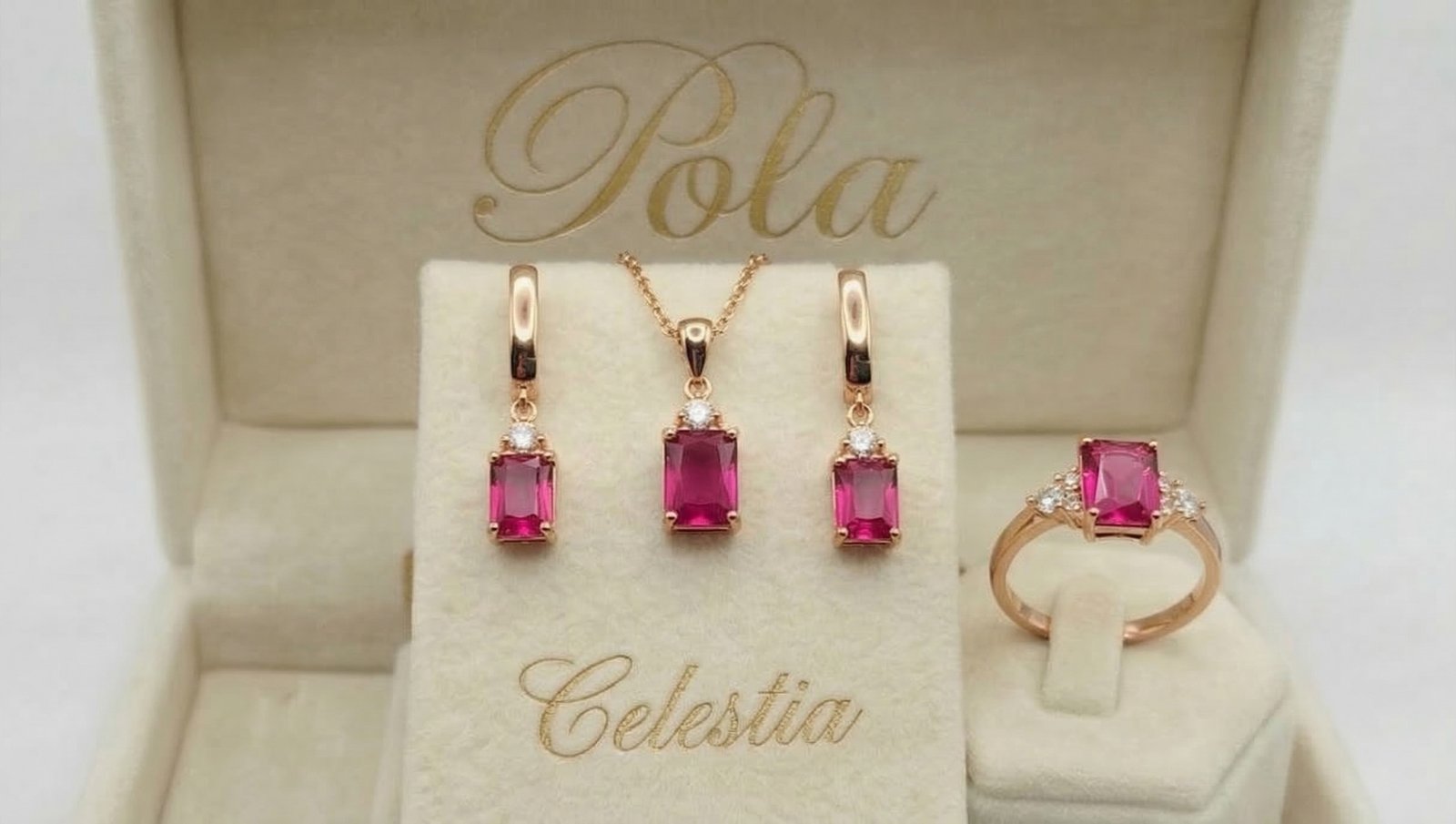 Buying & Care
Select moissanite anniversary and milestone gifts: match Color D stud earrings, eternity bands, silver suites, and 100-facet 9.25 Mohs colored stones.
Read Study →
Buying & Care
Follow this 10-point jeweler checklist before setting moissanite: verify mm spread, mass, Color D, VVS1, doubling, dual probe, and GRA girdle ID.
Read Study →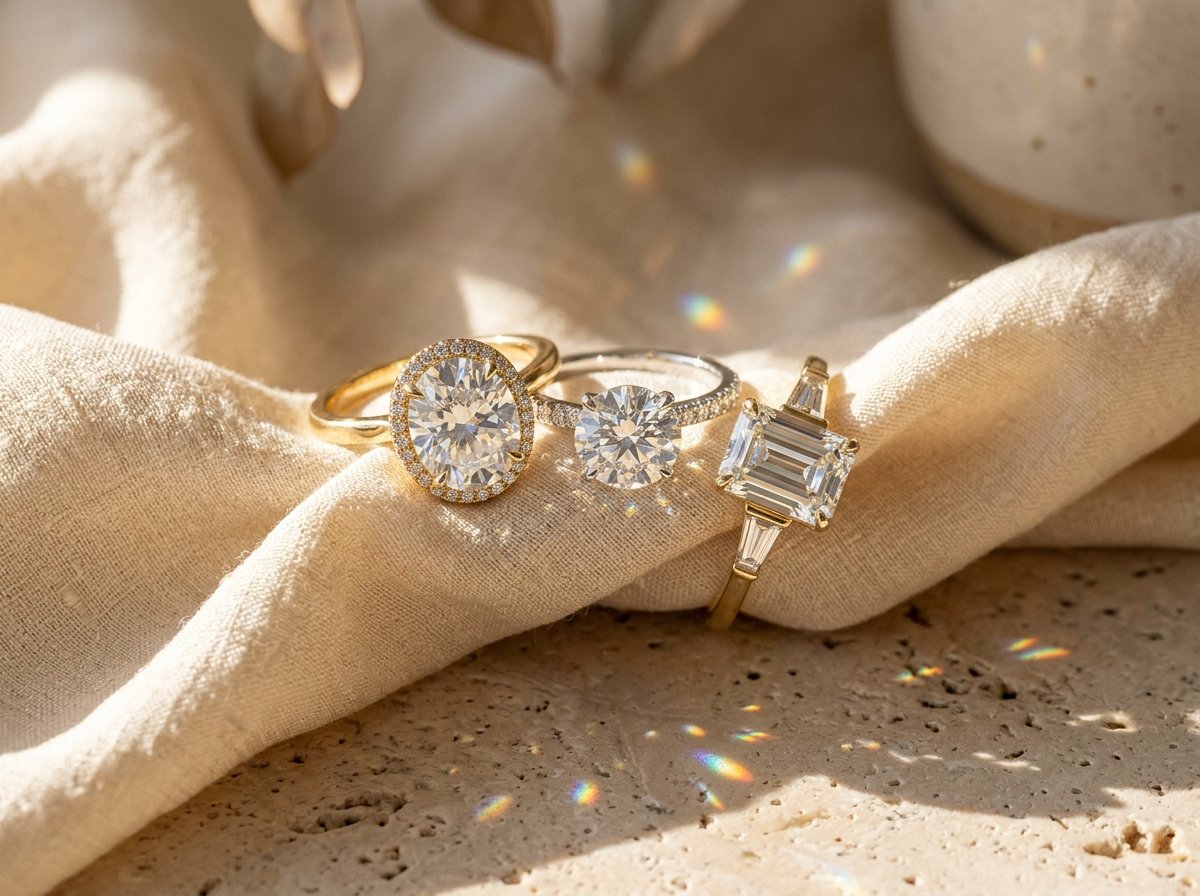 Buying & Care
Compare rhodium-plated 925 sterling silver, 14K gold, and 950 platinum for Color D moissanite: Vickers hardness, plating wear, skin compatibility, and value.
Read Study →
Buying & Care
Compare 4-prong and 6-prong solitaire moissanite settings: angular mechanical retention, light occlusion, Aurelia 6-prong security, and fancy-cut V-prongs.
Read Study →
Buying & Care
Maintain eternity and micro-pavé moissanite bands safely: full vs half-eternity fit, VVS1 melee calibration, shared-prong durability, and gentle cleaning.
Read Study → Buying & Care
Is ultrasonic and steam cleaning safe for moissanite? Explore 4H-SiC thermal immunity, micro-pavé cavitation risks, rhodium limits, and oil-slick removal.
Read Study →
Buying & Care
Compare low-profile bezel and raised cathedral moissanite settings: medical glove comfort, flush wedding-band stacking, bezel brilliance physics, and daily wear.
Read Study →
Buying & Care
Learn bench soldering limits for resizing and retipping moissanite rings: SiC heat sink physics, boric acid shielding, laser welding, and 925 silver repair.
Read Study →
Buying & Care
Select and care for matched moissanite earring and pendant suites: Celestia parure styling, La Poussette locking backs, bail wear, and scratch-safe storage.
Read Study →
Buying & Care
Design durable men's moissanite bands and signet rings: flush gypsy vs channel settings, comfort-fit wide sizing, emerald-cut signets, and resizeable alloys.
Read Study →
Buying & Care
Protect moissanite jewelry from daily hazards: why pool chlorine cracks gold prongs, how sunscreens cause oil-slick haze, and scratch-safe storage rules.
Read Study →
Buying & Care
Travel smart with fine moissanite jewelry: cold-water ring loss prevention, carry-on security packing, Color D travel rings, and conscious luxury care.
Read Study →Mass-market international marketplaces routinely slap “Color D / VVS1” titles onto cheap factory rejects, warm-tinted G–J crystals, or coated zirconia stones packed with generic GRA slips. The same caution applies to discount retail shops offering silver moissanite rings below $50 (or under 200 PLN in Europe)—inexpensive Asian mass production that never matches the optical whiteness of genuine selected Color D stones. Always verify serial inscriptions in our GRA Decoder.