US, UK & EU Ring Size Chart: Exact Millimeter Conversions
Convert US sizes 4–10 into ISO 8653 European circumferences and UK letter gauges—plus how band width and 1.0–3.0 ct DEW stones scale on the hand.
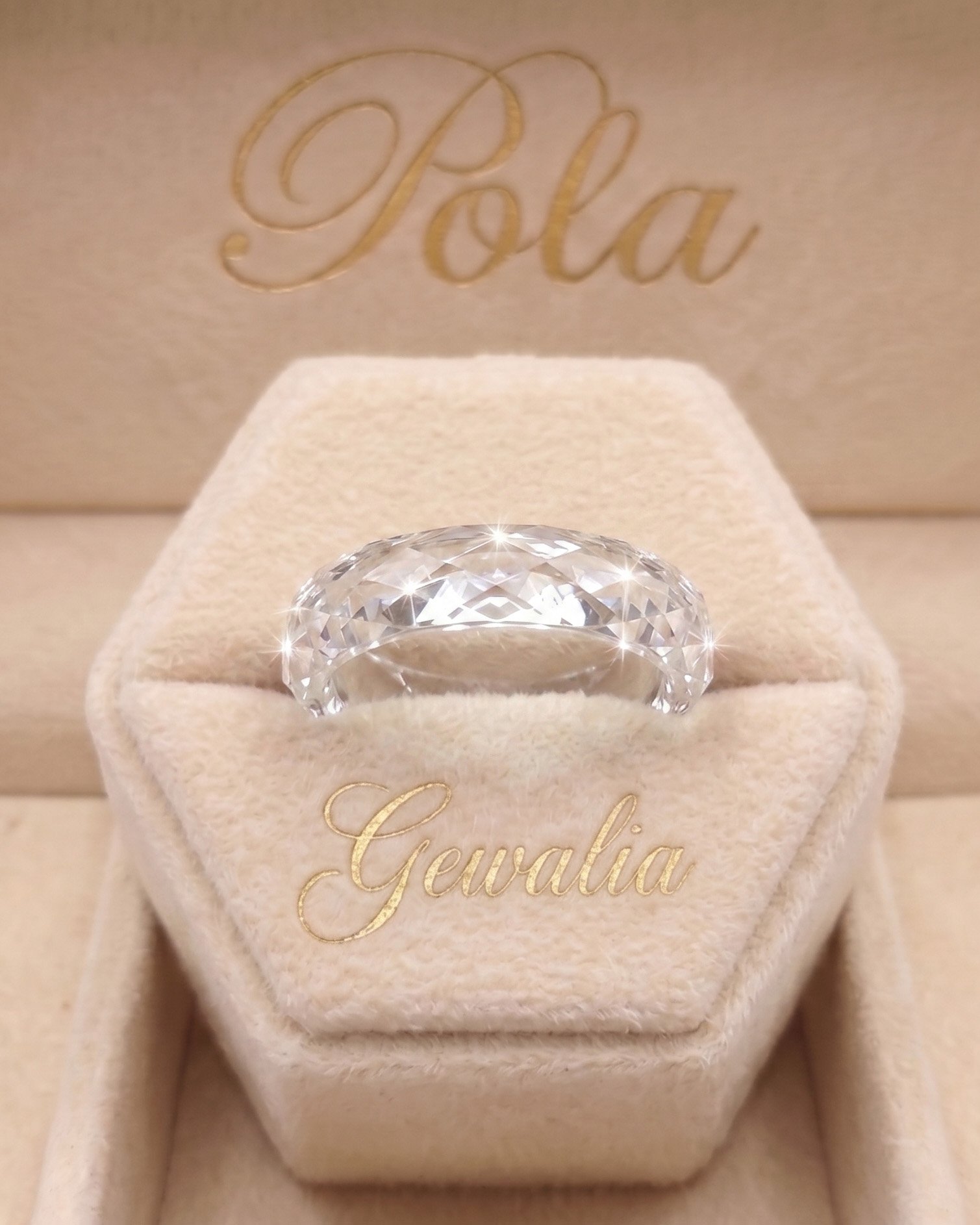
Convert US sizes 4–10 into ISO 8653 European circumferences and UK letter gauges—plus how band width and 1.0–3.0 ct DEW stones scale on the hand.
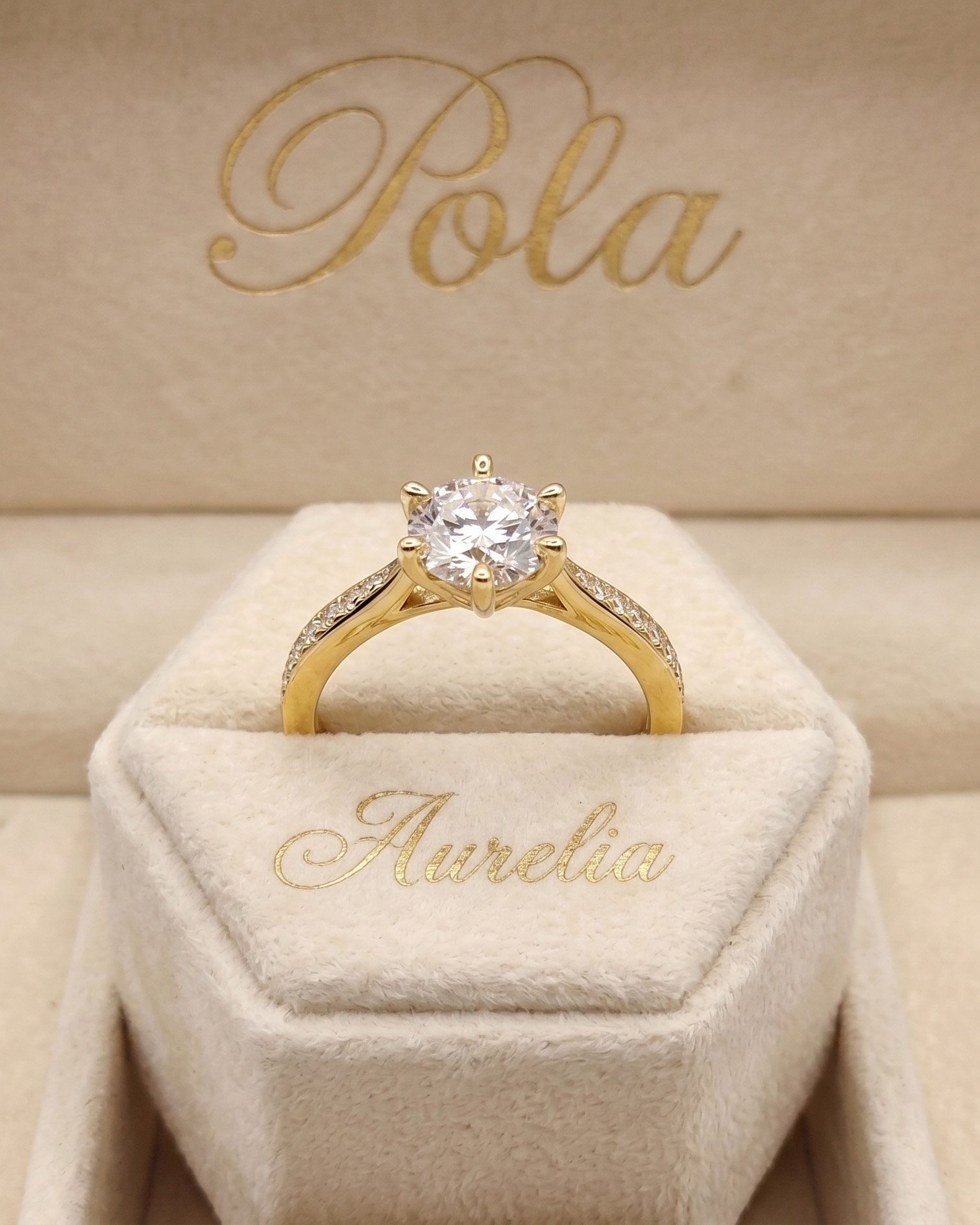
Ordering rings across borders frequently causes fit mistakes: North America uses numeric sizes 4–10, the UK and Australia use alphabetical letters H–T, and European houses use ISO 8653 circumferences from 47 to 62 millimeters. Guessing between charts risks top-heavy 2.00 ct DEW rings spinning sideways—or rigid bands stuck above the knuckle.
Converting every scale back to exact inner diameter and ISO circumference in millimeters ensures predictable comfort and ideal visual proportions on any hand.
Each whole US size increases inner diameter by 0.8128 mm (~2.55 mm in circumference), while UK letters step roughly 0.40 mm per half-letter. Under continental Europe's ISO 8653 standard, the size number literally represents inner circumference in millimeters.
Some regional jewelers also cite legacy local numbers (e.g., subtracting 40 from EU circumference, making EU 52 equivalent to size 12). When buying internationally, confirm whether a store quotes ISO circumference (47–62 mm) or millimeter inner diameter.
Even accurate sizer readings vary depending on ring profile and physiology:
A 1.00 ct DEW Round Brilliant (6.5 mm) spans ~44% of finger width on a US 4.5 (EU 48) hand, reading bold and classic, whereas on a US 9 (EU 59.5) finger it covers ~34%—making 1.50 ct DEW (7.4 mm) or an elongated Oval (8.5 × 6.5 mm) feel visually equivalent.
Standard internal diameter and ISO 8653 inner circumference equivalents across US, UK, and European sizing.
| US / Canada Size | Inner Diameter (mm) | EU Circumference (ISO mm) | UK / AU Letter | 1.0 ct (6.5 mm) Finger Span |
|---|---|---|---|---|
| US 4 | 14.88 mm | 46.8 mm (EU 47) | H / H½ | Bold (~44% finger width) |
| US 5 | 15.69 mm | 49.3 mm (EU 49–50) | J½ | Classic statement (~41%) |
| US 6 (Common Base) | 16.51 mm | 51.9 mm (EU 52) | L½ | Balanced classic (~39%) |
| US 7 (US Average) | 17.32 mm | 54.4 mm (EU 54–55) | N½ | Refined everyday (~37%) |
| US 8 | 18.13 mm | 57.0 mm (EU 57) | P½ | Proportional (~36%) |
| US 9 | 18.95 mm | 59.5 mm (EU 59–60) | R½ | Subtle; 1.5 ct ideal (~34%) |
| US 10 | 19.76 mm | 62.1 mm (EU 62) | T½ | Tailored; 2.0 ct ideal (~33%) |
Shoppers frequently skip millimeter sizing assuming local benches can expand or shrink any finished ring by two sizes after delivery.
Altering a band beyond ±1 US size disturbs micro-pavé melee seats, breaks rhodium plating, and is impossible on full-eternity rings—confirm millimeter size upfront.
Cheap sub-$50 / sub-200 PLN marketplace rings often arrive in inconsistent stock sizes with hollow shanks or plated base alloys that crack or peel during resizing. Invest in properly hallmarked 925 silver, 14K gold, or platinum calibrated to true millimeter sizing.
Watch out for sub-$50 / sub-200 PLN silver rings: The same caution applies to discount online boutiques and resellers offering sterling silver moissanite rings for less than $50 (or under 200 PLN in European markets)—almost invariably inexpensive Asian mass-market builds set with weaker warm-tinted or imprecise stones.
Explore bespoke and classic solitaire engagement designs calibrated across international millimeter sizes and set exclusively with Color D / VVS1 moissanite at Biżuteria Pola.