Moissanite vs. Morganite & Aquamarine: Daily Durability Study
Comparing 7.5–8.0 Mohs beryl fragility, basal cleavage, and rapid soap filming against indestructible 9.25 Mohs Color D and 100-facet colored SiC.

Comparing 7.5–8.0 Mohs beryl fragility, basal cleavage, and rapid soap filming against indestructible 9.25 Mohs Color D and 100-facet colored SiC.
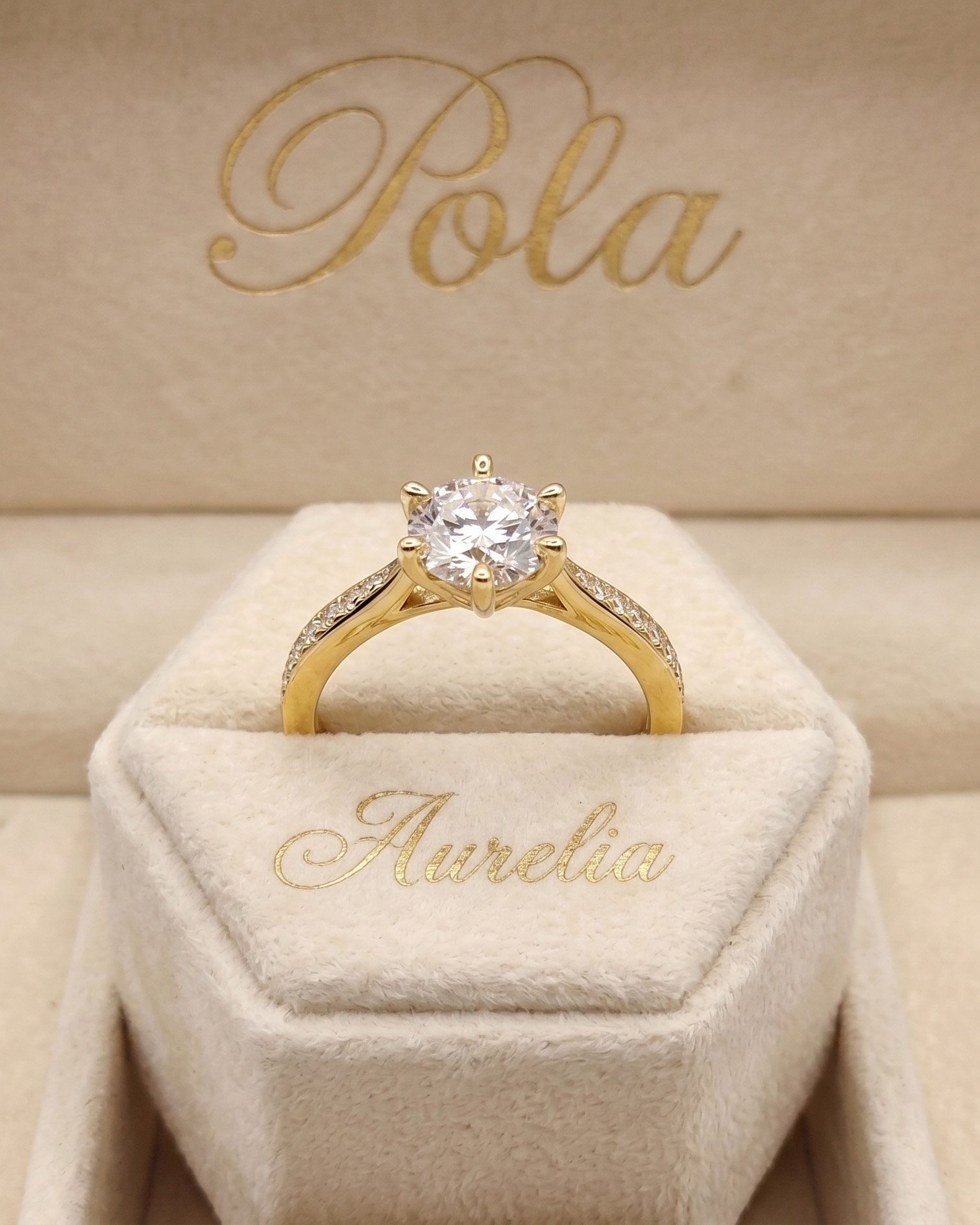
Blush morganite and icy-blue aquamarine gained ring popularity thanks to romantic tones that complement rose and yellow gold. Both belong to the beryl mineral family.
Yet daily wear quickly exposes sluggish sparkle, milky undersides, and tiny nicked facet edges. Comparing beryl mechanics against 4H-SiC moissanite shows why silicon carbide vastly outlasts beryl on active hands.
Everyday dust, stone countertops, and cleaning pads hover around 6.5–7.5 Mohs. Sitting at 7.5–8.0 Mohs, morganite and aquamarine gradually accumulate fine table abrasions.
Equally critical is beryl's brittle toughness and imperfect basal {0001} cleavage: knocking a ring against porcelain can chip exposed corners, whereas cleavage-free 4H-SiC absorbs impacts intact.
Shoppers frequently complain online that morganite 'attracts dirt' faster than diamond or moissanite. Chemically, beryl does not attract oil faster—rather, its low refractive index (1.57–1.59) sits alarmingly close to skin sebum, hand lotion, and soap residue (~1.47 RI).
Most commercial aquamarine undergoes controlled heat treatment around 400 °C to strip greenish iron tints, while pale morganite is routinely irradiated or gently heated to deepen peachy-pink hues. Excessive jeweler torch heat during claw re-tipping can permanently alter or bleach beryl tones unless unmounted first.
Pure Color D 4H-SiC contains zero volatile color-center irradiation; although SiC exhibits brief reversible thermochromism above 700 °C, it returns immediately to icy Color D neutrality upon cooling.
Natural 2–3 ct morganites often retail between $400 and $1,500 USD yet demand constant brushing and eventual lapidary repolishing. Discerning collectors reserve soft beryls for protected earrings or occasional cocktail pendants—selecting Color D or 100-facet colored 4H-SiC moissanite for everyday rings and matched silver jewelry suites.
Benchmark mineralogical properties governing scratch survival, brilliance retention, and repair resilience.
| Property | Moissanite (4H-SiC) | Morganite (Pink Beryl) | Aquamarine (Blue Beryl) |
|---|---|---|---|
| Mineral Species | Silicon Carbide (SiC) | Beryl (Be₃Al₂Si₆O₁₈) | Beryl (Be₃Al₂Si₆O₁₈) |
| Mohs Scratch Hardness | 9.25 / 10 | 7.5 – 8.0 / 10 | 7.5 – 8.0 / 10 |
| Cleavage / Toughness | None / Exceptional | Imperfect basal / Brittle | Imperfect basal / Brittle |
| Refractive Index (RI) | 2.65 – 2.69 | 1.58 – 1.59 | 1.57 – 1.58 |
| Spectral Fire (Dispersion) | 0.104 (Highest) | 0.014 (Very low) | 0.014 (Very low) |
| Lotion / Soap Film Sensitivity | Low (High RI margin) | Very High (Clouds rapidly) | Very High (Clouds rapidly) |
| Torch Sizing Resilience | Safe with standard fluxing | Must un-set (risks bleaching) | Must un-set (color shift risk) |
| Recommended Jewelry Role | 24/7 lifetime ring & daily wear | Protected pendants / occasional | Earrings / careful ring wear |
Because morganite looks crisp in newly photographed retail listings, buyers assume it withstands decades of daily wear similarly to diamond or moissanite.
At 7.5–8.0 Mohs with low 1.58 RI and imperfect cleavage, beryls dull within days of lotion wear and risk rim abrasions—whereas 9.25 Mohs moissanite maintains mirror sharpness permanently.
Bargain marketplace sellers sometimes pass dyed glass, coated cubic zirconia, or pink topaz as either 'morganite' or 'rose moissanite' under $50. Confirm genuine SiC thermal response or certified documentation before buying.
Watch out for sub-$50 / sub-200 PLN silver rings: The same caution applies to discount online boutiques and resellers offering sterling silver moissanite rings for less than $50 (or under 200 PLN in European markets)—almost invariably inexpensive Asian mass-market builds set with weaker warm-tinted or imprecise stones.
Discover matched sterling silver and fine gold jewelry sets crafted by Biżuteria Pola with 9.25 Mohs Color D moissanites—built to outlast fragile pastel beryls across decades of daily wear.