0.50 to 4.50 ct USD Cost Study: Moissanite vs. Diamond Curves
Quantifying indicative loose Color D / VVS1 pricing across 0.50, 1.00, 1.50, 2.50, and 4.50 ct DEW brackets alongside metal craft economics.
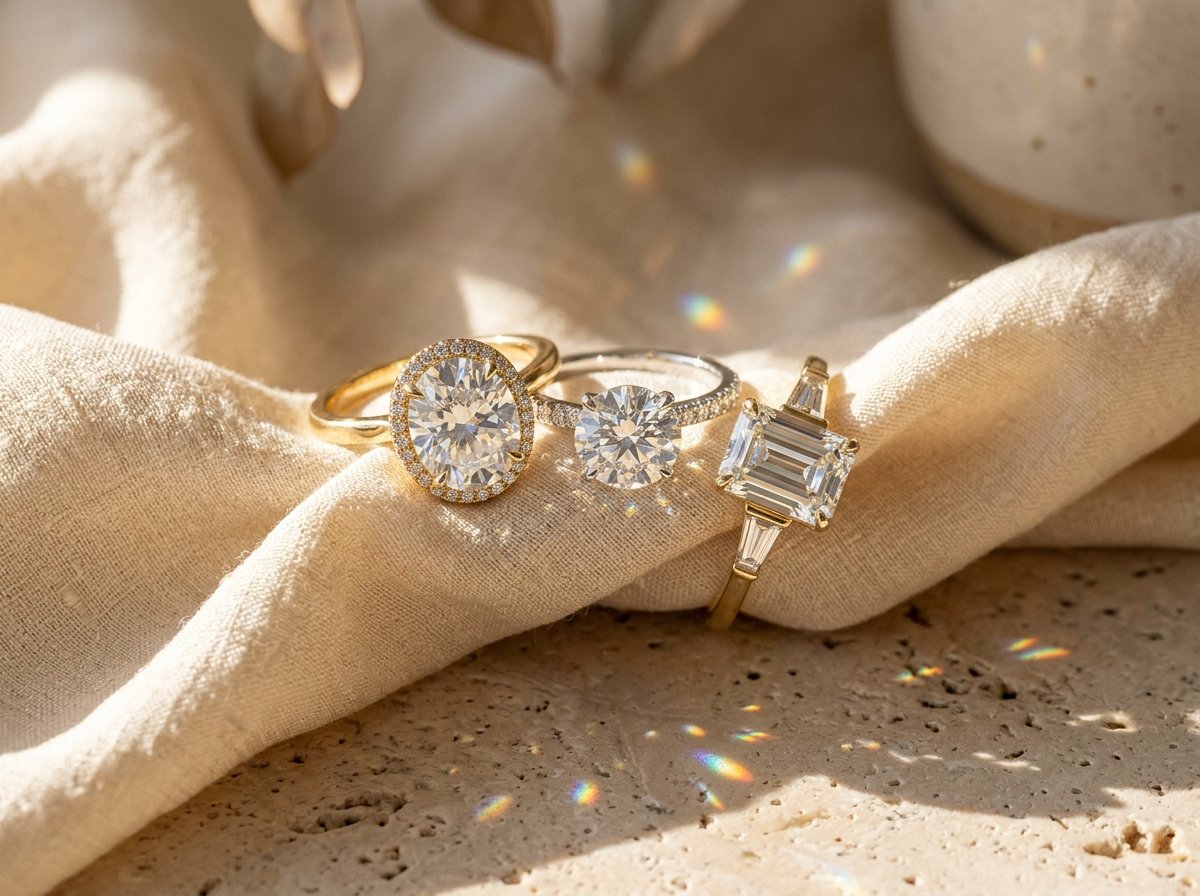
Quantifying indicative loose Color D / VVS1 pricing across 0.50, 1.00, 1.50, 2.50, and 4.50 ct DEW brackets alongside metal craft economics.
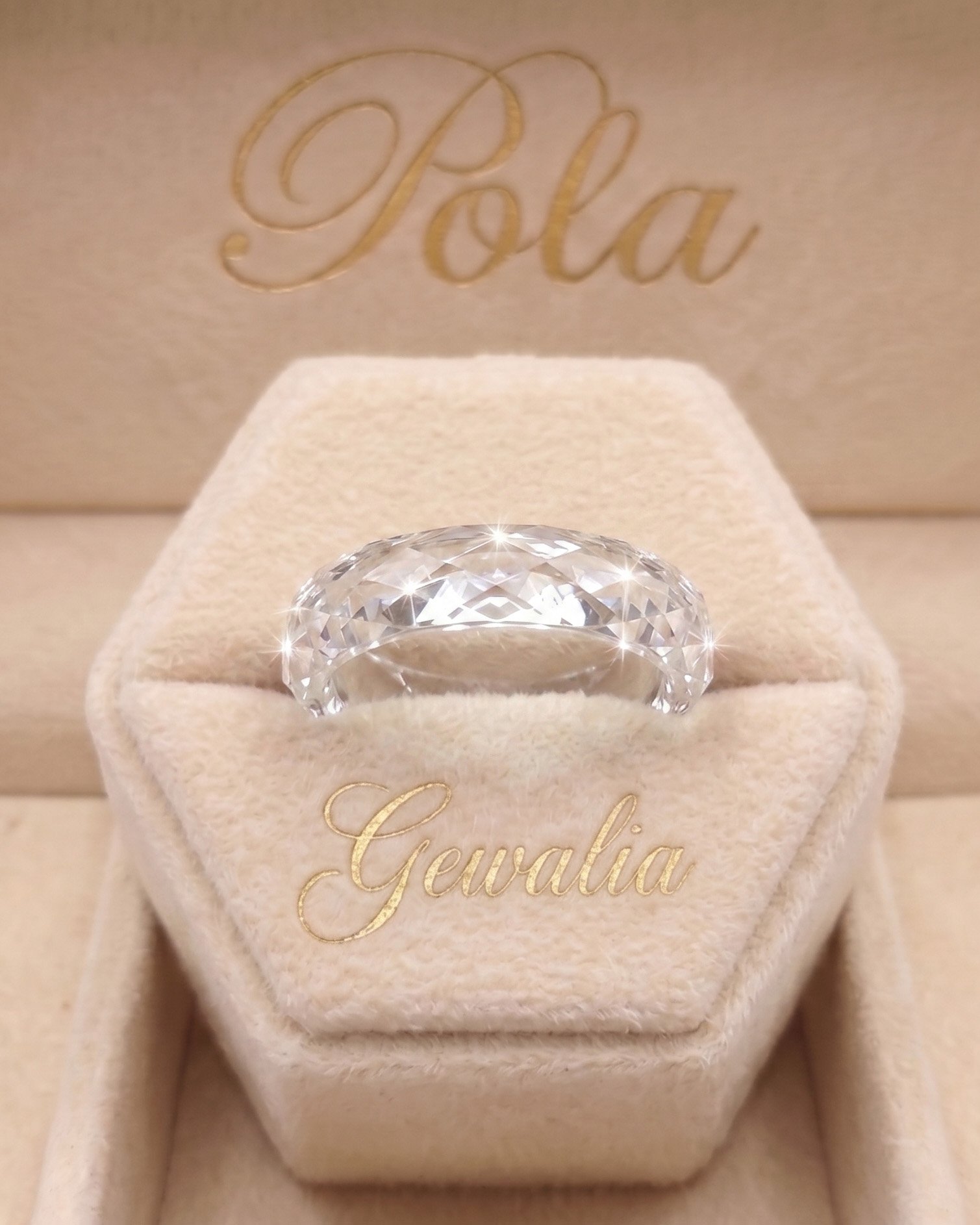
Stepping from a 0.50 ct solitaire to a 4.50 ct centerpiece exposes diamond jewelry's sharpest pricing distortion: natural stone rates escalate exponentially across every half-carat threshold due to geological rarity.
Comparing loose international Color D / VVS1 benchmarks across 0.50 ct through 4.50 ct Diamond Equivalent Weight (DEW) demonstrates how 4H-SiC moissanite preserves 98%–99% of capital while highlighting why authentic fine jewelry outperforms sub-$50 silver shortcuts.
Under 1% of mined diamond rough achieves top D-color and VVS1 clarity above 2.00 carats—multiplying loose 4.50 ct mined prices past $131,472 USD (over 22x the 1.00 ct rate).
CVD and HPHT diamonds also absorb higher reactor hours and strain rejection in larger stones, climbing to $7,431 USD at 4.50 ct, whereas PVT 4H-SiC boules yield calibrated 5.0–10.7 mm gems near linear cost.
Calibrated international loose Color D / VVS1 rates compare cleanly across five popular size brackets:
A classic showroom objection claims mined diamonds hold equity while moissanite drops in resale value. Yet retail mined diamonds routinely depreciate 35–60% immediately outside boutique doors—meaning buying a $13,063 1.50 ct mined stone incurs ~$5,000+ in instant retail spread loss. Acquiring ~$41 loose Color D moissanite and investing the remaining $13,000 keeps real capital compounding.
Understanding loose stone economics also exposes why silver moissanite rings priced below $50 USD (or under 200 PLN) inevitably cut corners. Subtracting shipping, marketplace commissions, and casting leaves zero margin for Color D selection—forcing bulk producers onto warm G–J seconds, hollow thin bands, and recycled fake GRA slips.
Synchronized DEW millimeter brackets comparing loose certified Color D / VVS1 stones across international markets.
| DEW Bracket | Round Diameter | Moissanite (4H-SiC) | Lab Diamond (CVD/HPHT) | Natural Diamond (GIA) |
|---|---|---|---|---|
| 0.50 ct (Discreet) | 5.0 mm | ~$23 USD | ~$355 USD | ~$1,910 USD |
| 1.00 ct (Signature) | 6.5 mm | ~$32 USD | ~$720 USD | ~$5,900 USD |
| 1.50 ct (Classic) | 7.4 mm | ~$41 USD | ~$1,257 USD | ~$13,063 USD |
| 2.50 ct (Statement) | 8.8 mm | ~$58 USD | ~$2,785 USD | ~$37,677 USD |
| 3.50 ct (Couture) | 9.9 mm | ~$75 USD | ~$4,856 USD | ~$76,964 USD |
| 4.50 ct (Galerie) | 10.7 mm | ~$92 USD | ~$7,431 USD | ~$131,472 USD |
Knowing loose Color D stone benchmarks leads some buyers to expect finished luxury silver or gold jewelry at wholesale stone cost.
Sub-$50 / sub-200 PLN rings cut corners on rhodium plating, hollow bands, and unverified warm-tinted rough; certified Color D craft invests in solid hallmarked precious metal and precision setting.
Whenever a marketplace retailer prices a finished silver ring under $50 USD or 200 PLN while displaying 'Color D / VVS1' badges, the economics force compromises—commonly delivering G–I rejects, thin silver foil, or coated CZ.
Watch out for sub-$50 / sub-200 PLN silver rings: The same caution applies to discount online boutiques and resellers offering sterling silver moissanite rings for less than $50 (or under 200 PLN in European markets)—almost invariably inexpensive Asian mass-market builds set with weaker warm-tinted or imprecise stones.
Invest your engagement budget into heirloom precious-metal architecture and verified Color D optics with Biżuteria Pola—avoiding inflated mined-diamond margins and low-grade discount jewelry alike.